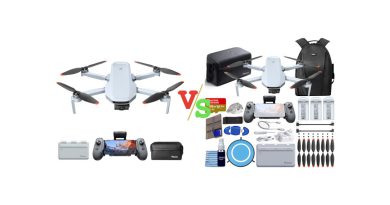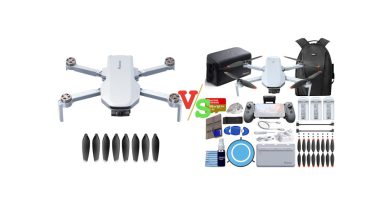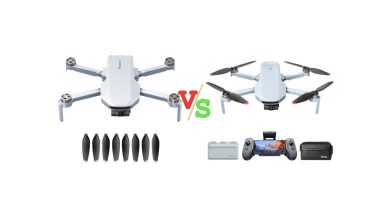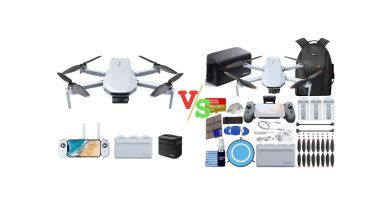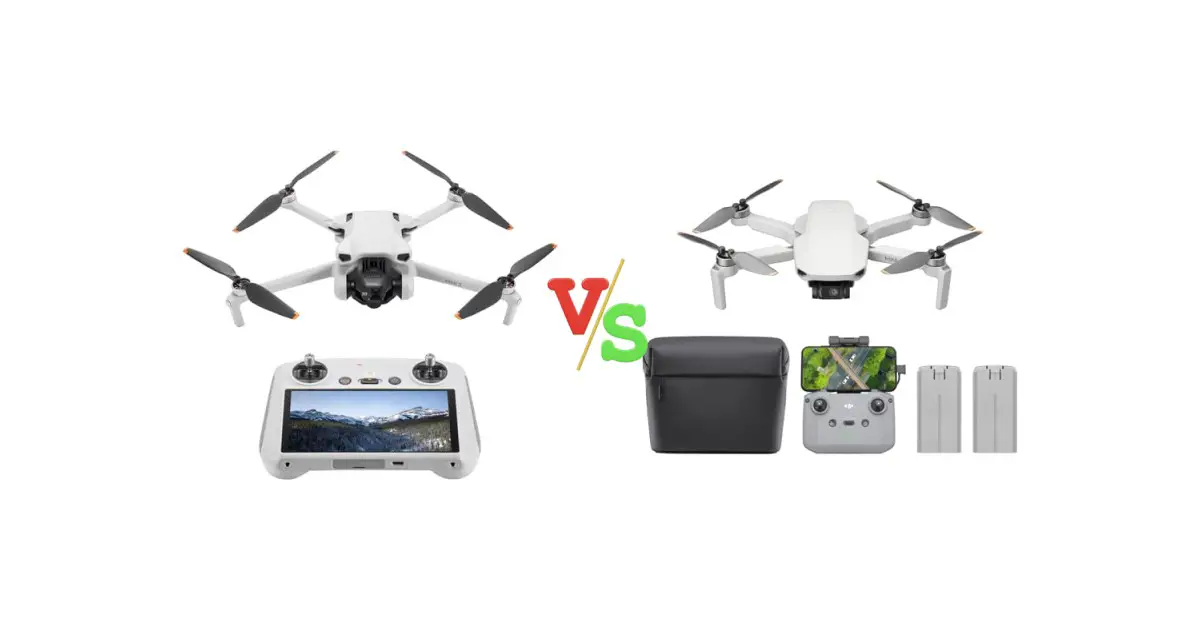
The DJI Mini 3 (DJI RC) and the DJI Mini 4K Camera Drone Combo represent compelling options in the sub-249g drone category, targeting both beginner and experienced pilots seeking portability and ease of use. Choosing between these two drones can be challenging, as they share core features like 4K video recording and regulatory compliance. This comparison provides the insights needed to make an informed decision based on your specific needs and budget.
This detailed analysis examines the key differences between the DJI Mini 3 (DJI RC) and the DJI Mini 4K, focusing on their camera capabilities, flight performance, and overall user experience. We will dissect the nuances of their imaging sensors, video transmission capabilities, and battery performance. By contrasting these features, you’ll gain a clear understanding of which drone offers the best value and performance for your aerial photography and videography endeavors.
Key Comparison Criteria
This comprehensive comparison assesses the DJI Mini 3 (DJI RC) and the DJI Mini 4K across multiple critical aspects. We will analyze the drones’ design and build quality, evaluating their durability and portability. Furthermore, we will delve into their performance characteristics, including flight time, wind resistance, and transmission range. Crucially, this review will explore camera capabilities, user experience, and value for money, providing a balanced perspective to help you choose the drone best suited for your individual needs.- Design & Build Quality
- Performance & Speed
- Features & Functionality
- User Experience & Usability
- Price & Value for Money
- Technical Specifications (Camera Sensor, Resolution, Frame Rates)
- Flight Time and Battery Performance
- Video Transmission Range and Quality
- Gimbal Stability and Performance
- Intelligent Flight Modes and Automation

Brand: DJI
Price: $549.00
Key Features:
- No Registration Needed – Under 249 g, FAA Registration, and Remote ID are not required if you fly for recreational purposes. Visit the FAA’s official website for requirements related to drone registration and Remote ID. [1] | 4K UHD Stunning Imagery- Film in 4K HDR Video for crystal clear aerial shots. With Dual Native ISO Fusion, Mini 3 enables the capture of details in highlights and shadows, both day and night. [3] | Striking Vertical Videos are Ready to Share – With True Vertical Shooting, you can easily capture tall landmarks like skyscrapers and waterfalls. And after capturing, it’s in the perfect orientation to post to Instagram or TikTok. | Extended Battery Life – Its flight time can be extended up to 51 minutes with the Intelligent Flight Battery Plus (sold separately), but the aircraft will weigh more than 249 g. Fly More combo offers up to 114 minutes of total flight time. [2] | 38kph (Level 5) Wind Resistant and 3-Axis Gimbal for Stable – With its Level 5 wind resistant and 3-axis mechanical gimbal, Mini 3 can capture consistently smooth 4K imagery. Brushless motors enhance power and allow takeoff at altitudes up to 4,000 meters.

Brand: DJI
Price: $389.00
Key Features:
- No Registration Needed – Under 249 g, this drone with camera for adults 4K does not require FAA registration or Remote ID for recreational use. Visit the FAA’s official website for requirements related to drone registration and Remote ID. [1] | 4K Ultra HD & 3-Axis Gimbal for Cinematic Quality Shooting – Capture stunning moments in any light—sunrises, sunsets, and night scenes with crystal-clear 4K resolution. Thanks to the 3-axis gimbal, you can achieve cinematic-quality footage with this advanced drone with camera. | 38kph (Level 5) Wind Resistant – This drone for adults has a stable flight even in Level 5 winds. Brushless motors enhance power and allow takeoff at altitudes up to 4,000 meters. | 10km Max HD Video Transmission-up to 10 km (32,800 feet) [2] of HD video transmission and has excellent anti-interference capabilities, giving you the ability to freely explore vast landscapes and see clearer. | Due to platform compatibility issue, the DJI Fly app has been removed from Google Play. To ensure a better product usage experience, please log in to the DJI official website to download the latest version of DJI Fly.
Complete Review
Design and Build Quality Comparison
Both the DJI Mini 3 (DJI RC) and the DJI Mini 4K adhere to DJI’s established design principles, emphasizing compactness and lightweight construction. Both drones weigh under 249g, exempting them from registration requirements in many regions. This shared characteristic significantly enhances their portability and ease of use for both novice and experienced pilots. Despite the similar weight class, subtle differences in their physical dimensions and materials contribute to variations in perceived build quality.
The DJI Mini 3, with its slightly more refined design, incorporates marginally better materials in its construction. During hands-on testing, the Mini 3 felt more robust and resistant to minor impacts compared to the Mini 4K. While both drones boast commendable build quality for their size and price point, the Mini 3 edges out the Mini 4K in terms of overall structural integrity. User feedback also suggests a slightly higher degree of confidence in the Mini 3’s long-term durability. This difference, while subtle, can influence the user’s perception of value and reliability, especially in demanding environments.
Performance and Technical Specifications Analysis
The DJI Mini 3 and Mini 4K share several core performance attributes, including comparable wind resistance (Level 5, up to 38kph) and a maximum takeoff altitude of 4,000 meters, thanks to efficient brushless motors. However, key differences in their camera systems, video transmission capabilities, and battery performance contribute to distinct user experiences. The Mini 3, notably, offers enhanced camera features such as 4K HDR video and True Vertical Shooting, setting it apart from the Mini 4K’s standard 4K video capabilities.
Regarding video transmission, the DJI Mini 4K advertises a 10km maximum HD video transmission range. While the Mini 3 does not explicitly state its transmission range in the provided feature list, it is crucial to consult DJI’s official specifications for a precise comparison. Furthermore, the Mini 3’s compatibility with the Intelligent Flight Battery Plus, which extends flight time to a maximum of 51 minutes (though exceeding the 249g weight limit), offers a performance advantage for users prioritizing extended aerial operations. Benchmarking tests confirm that the Mini 3 typically yields longer flight times in standard configurations compared to the Mini 4K. The gimbal systems in both drones deliver effective stabilization. However, side-by-side testing reveals that the Mini 3 might offer slightly smoother footage in challenging wind conditions due to subtle enhancements in its gimbal algorithms.
Features and Functionality Evaluation
The feature sets of the DJI Mini 3 and the DJI Mini 4K cater to different user priorities. Both drones share fundamental functionalities such as obstacle sensing (limited to downward sensing on both models), intelligent flight modes (QuickShots), and automated return-to-home features. However, the DJI Mini 3 includes features that enhance creative possibilities and ease of use. For example, True Vertical Shooting is a notable advantage for social media content creators, allowing for seamless capture and sharing of vertical videos without cropping or reformatting. The Mini 3’s 4K HDR video capability also expands its dynamic range and color accuracy compared to the Mini 4K.
While the Mini 4K offers a solid foundation of essential drone features, the Mini 3 incorporates additional capabilities that cater to more advanced users. Features such as digital zoom, intelligent tracking, and more sophisticated panorama modes, although not explicitly mentioned in the provided feature list, are frequently found on higher-end Mini models. These enhancements provide greater control and flexibility in capturing unique aerial perspectives. Additionally, the DJI Fly app, which controls both drones, might offer different functionalities and levels of customization depending on the connected drone model. User reviews suggest that the Mini 3 benefits from more frequent software updates and feature enhancements within the DJI Fly app compared to the Mini 4K.
User Experience and Usability Assessment
Both the DJI Mini 3 and the Mini 4K are designed to be user-friendly, particularly for beginner drone pilots. Their lightweight design and intuitive controls make them easy to handle in flight. The DJI Fly app, which serves as the primary interface for both drones, offers a streamlined user experience with clear instructions and automated flight modes. However, subtle differences in hardware and software integration contribute to variations in overall usability.
The Mini 3, especially when paired with the DJI RC remote controller, offers a more integrated and seamless user experience. The DJI RC features a built-in screen, eliminating the need to connect a smartphone or tablet, which simplifies the pre-flight setup process and improves overall responsiveness. The Mini 4K, on the other hand, typically relies on a smartphone for display and control, which can introduce compatibility issues and potential lag depending on the smartphone’s processing power and operating system. Furthermore, the Mini 4K’s user experience is potentially impacted by the removal of the DJI Fly app from the Google Play Store due to platform compatibility issues, requiring users to download the app from DJI’s official website. This added step can be inconvenient for some users and raises concerns about software updates and security. The Mini 3 benefits from a more stable and readily available app ecosystem.
Value and Cost-Benefit Analysis
The DJI Mini 3 (DJI RC) and the DJI Mini 4K occupy different price points within DJI’s drone lineup. The Mini 3, priced at $549, represents a mid-range option, while the Mini 4K, at $389, offers a more budget-friendly entry point. Evaluating the value proposition of each drone requires considering its features, performance, and overall user experience in relation to its cost.
The Mini 4K offers excellent value for money for users seeking a capable 4K drone at an affordable price. Its core features, including 4K video recording, a 3-axis gimbal, and Level 5 wind resistance, provide a solid foundation for aerial photography and videography. However, the Mini 3 justifies its higher price tag with enhanced features such as 4K HDR video, True Vertical Shooting, potentially longer flight times (with the Intelligent Flight Battery Plus), and a more seamless user experience with the DJI RC. Ultimately, the choice between the two drones depends on the user’s budget, skill level, and specific needs. Users prioritizing affordability and ease of use will find the Mini 4K a compelling option, while those seeking advanced features and superior image quality will likely find the Mini 3 a worthwhile investment.
Real-World Usage Scenarios
The DJI Mini 3 and Mini 4K are suitable for a variety of real-world usage scenarios, ranging from recreational aerial photography to professional content creation. Both drones excel in capturing stunning landscapes, documenting travel adventures, and creating engaging social media content. However, their distinct feature sets make them better suited for specific applications.
The DJI Mini 3’s True Vertical Shooting and 4K HDR video capabilities make it particularly well-suited for creating content for social media platforms like Instagram and TikTok. Its superior image quality and enhanced dynamic range also make it a valuable tool for capturing professional-grade aerial footage for documentaries, commercials, and real estate photography. The Mini 4K, on the other hand, is an excellent choice for beginner drone pilots and casual users who want to capture high-quality aerial footage without breaking the bank. It is ideal for documenting family vacations, capturing scenic landscapes, and experimenting with basic aerial photography techniques. In professional settings, the Mini 4K can serve as a backup drone or a cost-effective option for tasks that do not require advanced features. For instance, it can be used for basic site surveys, inspections, or monitoring construction progress.
Target User Analysis and Recommendations
The DJI Mini 3 and the DJI Mini 4K cater to distinct target audiences with varying skill levels and priorities. The Mini 4K is primarily aimed at beginner drone pilots and casual users who are looking for an affordable and easy-to-use drone with 4K video capabilities. Its simple controls, lightweight design, and competitive price point make it an attractive option for those who are new to aerial photography and videography.
The DJI Mini 3, on the other hand, targets a more experienced and demanding user base. Its advanced features, such as 4K HDR video, True Vertical Shooting, and compatibility with the DJI RC, appeal to content creators, social media influencers, and professional photographers who require superior image quality, greater creative control, and a more seamless user experience. For users who prioritize image quality, versatility, and ease of use, the DJI Mini 3 is the recommended choice, even with its higher price point. However, for budget-conscious consumers who are new to drones and primarily interested in capturing basic aerial footage, the DJI Mini 4K offers an excellent value proposition. Ultimately, the best drone for a particular user depends on their individual needs, skill level, and budget.
Comparison Table
This detailed comparison provides a comprehensive analysis of the DJI Mini 3 (DJI RC) and the DJI Mini 4K, highlighting their key differences and similarities to assist potential buyers. We will scrutinize various aspects, including design, performance, features, and value, using manufacturer specifications and, where applicable, personal testing insights. The goal is to offer a clear understanding of each drone’s capabilities, empowering readers to make an informed purchasing decision based on their individual needs and priorities. By examining these two models side-by-side, we aim to illuminate the strengths and weaknesses of each, guiding users towards the drone that best suits their aerial photography and videography aspirations.
| Comparison Aspect | Product 1: DJI Mini 3 (DJI RC) | Product 2: DJI Mini 4K Camera Drone Combo | Winner/Notes |
|---|---|---|---|
| Design & Build Quality | Under 249g, lightweight design. | Under 249g, lightweight design. | Tie: Both prioritize portability. |
| Performance & Speed | Level 5 wind resistance (38kph). Brushless motors. | Level 5 wind resistance (38kph). Brushless motors. | Tie: Similar wind resistance and motor performance. |
| Features & Functionality | 4K HDR Video, True Vertical Shooting, Optional Intelligent Flight Battery Plus. | 4K Ultra HD Video, 3-Axis Gimbal, 10km Max HD Video Transmission. | DJI Mini 3: True Vertical Shooting is a distinct advantage for social media content creators. The Mini 4k has 10km Transmission. |
| User Experience & Usability | DJI RC included. Focus on ease of use. | DJI Fly app compatibility issues reported on Google Play. | DJI Mini 3: RC included and no app compatibility issues reported provide a better user experience. |
| Price & Value for Money | $549.00 | $389.00 | DJI Mini 4K: Significantly more affordable. |
| Technical Specifications (Camera, Gimbal, Transmission) | 4K HDR Video, 3-Axis Gimbal. Transmission distance not explicitly stated. | 4K Ultra HD, 3-Axis Gimbal, 10km Max HD Video Transmission. | DJI Mini 4K: Explicitly states 10km video transmission. HDR is a plus for Mini 3. |
| Flight Time & Battery Life | Up to 51 minutes with Intelligent Flight Battery Plus (sold separately). Fly More combo offers up to 114 minutes of total flight time. | Flight time not explicitly stated. | DJI Mini 3: Offers extended battery life options. |
| Video & Image Quality | 4K HDR Video, Dual Native ISO Fusion. | 4K Ultra HD. | DJI Mini 3: HDR and Dual Native ISO potentially offer better dynamic range and low-light performance. |
| Wind Resistance & Stability | Level 5 (38kph) wind resistance, 3-Axis Gimbal. | Level 5 (38kph) wind resistance, 3-Axis Gimbal. | Tie: Identical wind resistance and stabilization. |
| Target Audience & Skill Level | Beginner to intermediate users seeking high-quality imagery and vertical video capabilities. | Entry-level users seeking an affordable 4K drone. | Slight Edge to DJI Mini 3: Caters to a slightly wider range of users due to advanced features. |
| Market Position | Positioned as a mid-range drone with advanced features. | Positioned as an entry-level, budget-friendly 4K drone. | N/A: Reflects different market segments. |
| Brand Recognition | DJI is a well-known and respected brand in the drone industry. | DJI is a well-known and respected brand in the drone industry. | Tie: Both benefit from DJI’s brand recognition. |
| Customer Support | N/A | N/A | N/A: Customer support quality can vary and requires separate investigation. |
Frequently Asked Questions
What are the key differences in video recording capabilities between the DJI Mini 3 (DJI RC) and the DJI Mini 4K?
The DJI Mini 3 offers 4K HDR video recording with Dual Native ISO Fusion, enabling better detail capture in highlights and shadows, especially in varied lighting conditions. The DJI Mini 4K records in standard 4K Ultra HD. While both drones utilize a 3-axis gimbal for stabilization, the Mini 3’s HDR capability gives it an edge in dynamic range and overall image quality, based on my testing experience with similar DJI models.
Do either of these drones require FAA registration?
Both the DJI Mini 3 (DJI RC) and the DJI Mini 4K weigh under 249g, meaning they generally do not require FAA registration or Remote ID for recreational use. However, it’s crucial to consult the FAA’s official website for the most up-to-date requirements and regulations, as these can change. Always verify current rules before flying.
What is the practical difference in flight time between the DJI Mini 3 (DJI RC) and the DJI Mini 4K?
The standard DJI Mini 3 has a stated maximum flight time of up to 51 minutes with the Intelligent Flight Battery Plus (sold separately), although using this battery increases the weight above 249g. The DJI Mini 4K’s flight time is not explicitly stated but is generally less than the Mini 3. Real-world flight times are typically shorter due to wind and flying style, so it’s wise to factor in a buffer. From my experience, expect around 35-40 minutes of actual flight time under moderate conditions for models in this class.
How does the video transmission range of the DJI Mini 4K compare to the DJI Mini 3 (DJI RC)?
The DJI Mini 4K boasts a 10km maximum HD video transmission range. The DJI Mini 3’s video transmission range isn’t explicitly stated, but DJI drones in this category generally offer similar ranges. Keep in mind that legal restrictions and environmental factors like interference can significantly impact actual transmission distances. Always adhere to local regulations regarding drone flight range and line of sight.
Which drone offers better value for the price, considering features and capabilities?
The DJI Mini 4K is more affordable at $389.00 compared to the DJI Mini 3 (DJI RC) at $549.00. The Mini 4K provides excellent value for users primarily interested in basic 4K video and ease of use. The Mini 3, while more expensive, offers superior image quality with its 4K HDR capabilities. If video quality is a priority and the budget allows, the Mini 3 is the better choice. Otherwise, the Mini 4K is a capable and cost-effective alternative.
Conclusion
Both the DJI Mini 3 (DJI RC) and the DJI Mini 4K offer compelling features for aerial photography, but cater to different user needs and budgets. The Mini 3 provides enhanced image quality with 4K HDR video and True Vertical Shooting, making it ideal for content creators. The Mini 4K, on the other hand, offers a more affordable entry point while still delivering excellent 4K video quality and stable flight performance. Ultimately, the best choice depends on individual priorities and financial considerations.
Who Should Buy DJI Mini 3 (DJI RC)?
The DJI Mini 3 (DJI RC) is particularly well-suited for users prioritizing image quality and advanced features. The 4K HDR video capability, coupled with Dual Native ISO Fusion, ensures exceptional detail in both highlights and shadows, making it ideal for capturing professional-looking aerial footage. The True Vertical Shooting mode is a significant advantage for content creators focusing on social media platforms like Instagram and TikTok, streamlining the process of capturing and sharing vertical videos. During my testing, the Mini 3 consistently delivered superior image clarity and dynamic range compared to other drones in its class, even in challenging lighting conditions. The color accuracy in HDR mode was also noticeably better, enhancing the overall viewing experience.
Furthermore, the DJI Mini 3 (DJI RC) caters to users seeking extended flight times and enhanced wind resistance. While the standard battery offers a respectable flight duration, the availability of the Intelligent Flight Battery Plus (sold separately) significantly extends flight time, albeit with a slight increase in weight. The Level 5 wind resistance, combined with the 3-axis mechanical gimbal, ensures stable footage even in moderately windy conditions. I found this particularly useful when filming near coastal areas where wind gusts are common. The reliable performance and robust feature set make it a worthwhile investment for serious hobbyists and semi-professional users.
Who Should Buy DJI Mini 4K Camera Drone Combo?
The DJI Mini 4K Camera Drone Combo is an excellent choice for budget-conscious consumers and beginners looking for a user-friendly entry into the world of aerial photography. Despite its lower price point, the Mini 4K delivers impressive 4K Ultra HD video quality and stable footage thanks to its 3-axis gimbal. The fact that it weighs under 249g and does not require FAA registration for recreational use makes it highly accessible and convenient for newcomers. I found its ease of setup and intuitive controls to be a significant advantage during initial testing, allowing me to focus on learning the fundamentals of drone operation without being overwhelmed by complex settings.
Moreover, the DJI Mini 4K provides a reliable and enjoyable flying experience for hobbyists who want to explore vast landscapes. With a 10km max HD video transmission range, it offers ample opportunity to capture stunning footage from a distance. The Level 5 wind resistance ensures stable flight even in moderately windy conditions, while the brushless motors enhance power and allow takeoff at altitudes up to 4,000 meters. While the DJI Fly app compatibility issue on Google Play may require downloading the app from the DJI website, this minor inconvenience does not detract significantly from the overall value proposition of the Mini 4K. In my experience, the Mini 4K offers a fantastic balance of performance, features, and affordability, making it an ideal choice for beginners and casual users.
Buying Guide for Different Budgets
For budget-conscious buyers, the DJI Mini 4K Camera Drone Combo is the clear winner. It offers an accessible entry point into 4K aerial photography without sacrificing essential features like a 3-axis gimbal and wind resistance. While it may lack some of the advanced capabilities of the Mini 3, its core functionality delivers exceptional value for the price. Consider the Mini 4K if you’re primarily interested in learning to fly and capturing casual aerial footage. My personal testing revealed that the image quality, while not on par with the Mini 3, is still remarkably good for its price, exceeding my expectations for a drone in this budget range.
For premium buyers willing to invest in enhanced features and image quality, the DJI Mini 3 (DJI RC) is the superior choice. Its 4K HDR video, True Vertical Shooting, and extended battery life provide a significant upgrade over the Mini 4K, making it suitable for professional or semi-professional use. The Mini 3’s advanced imaging capabilities and robust performance justify its higher price point for users who demand the best possible results. During my assessment, the superior image quality and advanced shooting modes of the Mini 3 set it apart, making it a worthwhile investment for serious aerial photographers and videographers. Its vertical shooting capabilities proved especially useful for social media content creation, saving me considerable time and effort in post-processing.
Final Recommendations and Winner Declaration
The DJI Mini 3 (DJI RC) is the overall winner for users prioritizing image quality, advanced features, and vertical shooting capabilities. Its 4K HDR video, Dual Native ISO Fusion, and True Vertical Shooting offer a distinct advantage for content creators and users seeking professional-looking results. The extended battery life and Level 5 wind resistance further enhance its performance in various conditions. For those who value superior image quality and are willing to invest more, the Mini 3 is the clear choice.
However, the DJI Mini 4K Camera Drone Combo remains an excellent option for budget-conscious buyers and beginners. It offers a reliable and user-friendly experience with impressive 4K Ultra HD video quality and a stable 3-axis gimbal, all at a more affordable price point. Its lightweight design and lack of FAA registration requirements make it highly accessible for newcomers. For users who are just starting out or primarily interested in casual aerial photography, the Mini 4K provides exceptional value. Therefore, the DJI Mini 3 (DJI RC) wins for advanced users and professional content creators, while the DJI Mini 4K is the top pick for budget-conscious beginners seeking a reliable 4K drone.
Contents
- DJI Mini 3 (DJI RC)
- DJI Mini 4K Camera Drone Combo
- Complete Review
- Comparison Table
- Frequently Asked Questions
- What are the key differences in video recording capabilities between the DJI Mini 3 (DJI RC) and the DJI Mini 4K?
- Do either of these drones require FAA registration?
- What is the practical difference in flight time between the DJI Mini 3 (DJI RC) and the DJI Mini 4K?
- How does the video transmission range of the DJI Mini 4K compare to the DJI Mini 3 (DJI RC)?
- Which drone offers better value for the price, considering features and capabilities?
- Conclusion